
How to Wash and Maintain Cotton Clothes: A Complete Care Guide
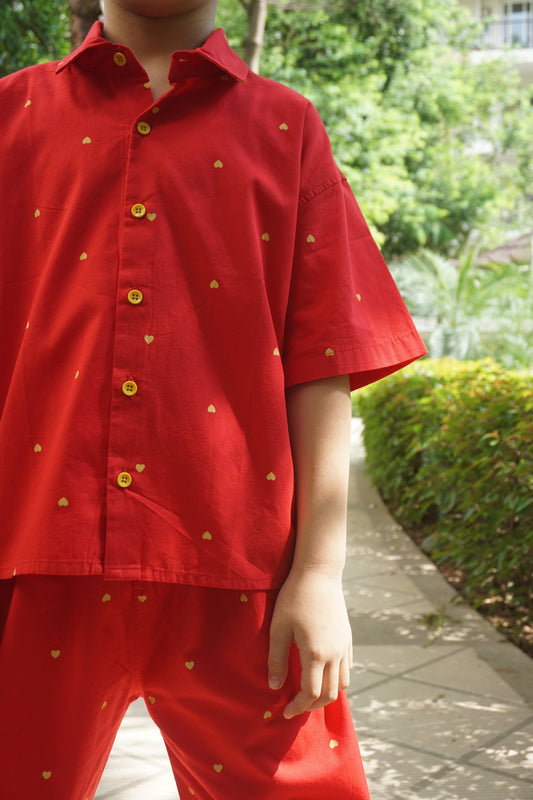
The short answer: wash pure cotton clothes in cold or lukewarm water (30°C or below) on a gentle or normal cycle, with similar colours, turned inside out, using a measured amount of mild detergent. Skip bleach on coloured clothes, then line dry in the shade or tumble dry on low. Heat is what shrinks and fades cotton, so keep hot water and high dryer heat for whites only, and only when the label allows it. These are the same care steps we print for our own cotton co-ord sets for kids and pure cotton T-shirts for kids.
We are Gozi, a kidswear maker in Tiruppur, Tamil Nadu, and everything we sell is cotton. Children's clothes get washed far more often than adult clothes, so how you wash them decides whether a T-shirt lasts one season or three. This guide covers machine washing, hand and bucket washing, hard water, drying, shrinkage, stains and storage, with the specific questions parents search for answered at the end.
Shop this guide
 Friends Make Me Happy Co-ord Set for Kids₹699
 The Sip Squad Co-ord Set for Kids₹699
 The Childhood Checklist Co-ord Set for Kids₹699
100% cotton · 7-day returns · Free shipping · COD on orders under ₹5,000
In this guide
- Quick care guide by garment
- How to read the care label
- Before the first wash
- How to wash cotton clothes in a washing machine
- How to hand wash cotton clothes
- Detergent, softener and hard water
- Drying cotton without shrinking or fading
- Why cotton shrinks and how to stop it
- Keeping whites white and colours bright
- Common stains on kids' clothes
- Ironing and storing
- How often to wash kids' cotton clothes
- Frequently asked questions
Quick care guide by garment
Always follow the label first. If the label is gone, this table is a safe starting point for 100% cotton.
| Garment | Water and cycle | Drying | Ironing |
|---|---|---|---|
| Cotton T-shirts and co-ord sets (single jersey knit) | Cold, gentle or normal cycle, inside out, with like colours | Line dry in shade or tumble dry low | Usually not needed; low heat, inside out, if you must |
| Night suits (interlock knit) | Cold, mild detergent, no bleach | Line dry or tumble dry low | Low heat if needed |
| Sweatshirts and joggers (fleece-back or French terry) | Cold, gentle cycle, inside out | Line dry or tumble dry low; do not over-dry | Low heat, inside out, avoid prints |
| Kurta pajama and shirts (woven poplin) | Cold to lukewarm, gentle cycle | Line dry or tumble dry low; hang straight to cut creases | Medium heat while slightly damp |
| White cotton (school shirts, white kurtas, vests) | Separately; warm water only if the label allows | Line dry | As per fabric |
| Dark or brightly dyed cotton | Cold, inside out, with dark colours only for the first few washes | Shade, inside out | Inside out |
These match the care instructions on our product pages: for example, our sweatshirt sets say machine wash cold with like colours on a gentle cycle, tumble dry low or line dry, do not bleach, and iron on low heat inside out.
How to read the care label
Most garments carry the international care symbols published by GINETEX. There are five families of symbols:
- Tub (washing): the number inside is the maximum water temperature in °C. One bar under the tub means a gentle cycle, two bars a very gentle one. A hand in the tub means hand wash only.
- Triangle (bleaching): an empty triangle allows any bleach, a triangle with two diagonal lines means oxygen (non-chlorine) bleach only, and a crossed-out triangle means no bleach.
- Square (drying): a circle inside means tumble drying, and the dots show the heat (one dot is low). Lines inside the square mean line or flat drying, and a small diagonal line in the corner means dry in the shade.
- Iron: one dot is low heat, two is medium, three is hot.
- Circle (professional care): dry cleaning or professional wet cleaning.
A crossed-out symbol always means "do not". If a kids' cotton garment says 30, one bar and a shade-drying symbol, it is telling you exactly what this guide recommends: cool water, gentle action, no harsh sun.
Before the first wash: should you wash new clothes?
Yes, especially for babies and young children. The American Academy of Pediatrics' parenting site says it is generally a good idea to wash all clothes before using them, apart from coats and jackets that hardly touch the skin. New clothes have been handled, packed and shipped, and a first wash also removes loose dye.
For the first wash of a new cotton garment:
- Wash dark and bright new clothes separately, or with similar colours only, in cold water.
- Turn printed T-shirts and sweatshirts inside out.
- Check the water at the end: if it is tinted, keep washing that piece separately for a few more washes.
Many of our clothes are pre-shrunk or biowashed in the factory. Our Happy Wheels co-ord set, for example, uses pre-shrunk, OEKO-TEX Standard 100 certified fabric, so the first wash should not change the fit if you wash it cold.

How to wash cotton clothes in a washing machine
- Sort the load. Separate whites, light colours and dark colours. If you can, also keep heavy items (sweatshirts, towels, denim) apart from light T-shirts, because they wash and dry at different speeds.
- Prepare each piece. Empty pockets (crayons and tissues are the classic kids' culprits), close zips and Velcro, untie drawcords, and turn printed or dark clothes inside out. Turning clothes inside out reduces fuzzing and fading from rubbing, according to Cotton Incorporated.
- Do not overload. Fill the drum no more than about three quarters, so clothes can move and rinse properly. Put socks and small items in a mesh laundry bag.
- Measure the detergent (see the detergent section below) rather than pouring freely.
- Choose the programme. On most machines sold in India this is "Cotton" or "Daily wash" set to cold or 30°C for coloured clothes, or "Delicate", "Baby care" or "Quick wash" for lightly worn clothes. Pick a lower spin speed for knits like T-shirts and night suits so they keep their shape.
- Unload promptly. Clothes left sitting wet in the drum crease, transfer colour and start to smell.
Top load or front load? Both are fine for cotton. Front-loading machines tumble clothes and are usually gentler; top-loading machines with an agitator are harsher, so the gentle setting and a mesh bag for small pieces matter more there. Semi-automatic machines work too: wash cold, keep the wash time short for lightly soiled clothes and rinse well.
How to hand wash cotton clothes (bucket washing)
- Fill a bucket with cool or room-temperature water and dissolve the detergent fully before adding clothes, so no powder sits on the fabric.
- Soak for 15 to 30 minutes. This loosens dirt so you need less scrubbing.
- Rub stained areas gently between your hands or with a soft brush. Avoid hard brushing or beating on a stone, which roughens cotton and wears out prints and knees fast.
- Rinse in clean water two or three times, until no foam comes out. Leftover detergent makes cotton stiff and can irritate a child's skin.
- Press the water out, or roll the garment in a towel. Do not wring hard, especially knits, because twisting stretches the fabric out of shape.
Hand washing is the gentlest option for embroidered festive kurtas, anything with sequins or mirror work, and very small baby clothes.
Detergent, fabric softener and hard water
Which detergent?
Any good mild detergent works for cotton. For babies or children with sensitive skin, a mild, fragrance-free detergent is a sensible choice, and HealthyChildren.org suggests switching to a milder detergent if your child shows any signs of skin irritation. Liquid detergent dissolves fully in cold water, which helps if you see white powder marks on dark clothes.
How much detergent?
Measure it. Cotton Incorporated advises using less detergent than you might think, because too much speeds up wear and leaves residue. Use the dose printed on the pack for your load size and your water hardness, and no more.
Should you use fabric softener on kids' clothes?
Go easy or skip it. Softener coats the fibres, which can reduce how well cotton absorbs sweat, and on several of our T-shirts and vests we specifically advise avoiding fabric softener to keep the softness and colour. Good cotton, washed cold and rinsed well, stays soft without it.
Hard water: a common problem in Indian homes
If your clothes come out stiff, your whites look greyish or dull, or detergent does not foam well, hard water is a likely cause. Hard water contains dissolved calcium and magnesium that react with detergent. A University of Idaho Extension bulletin on laundry problems and water quality notes that hardness reduces cleaning ability so more detergent is needed, and cites a Purdue University study in which fabrics washed in hard water wore out up to 15 percent faster, with colours fading and whites darkening faster.
What helps:
- Use the hard-water dose on your detergent pack, and choose a detergent made for hard water if you have a choice.
- Prefer liquid detergent, which dissolves better.
- Rinse an extra time to wash out mineral and soap residue.
- If you have filtered or RO reject water stored separately, do not use the RO reject for washing: it has a higher mineral content than tap water.
- For a whole household, a water softener is the long-term fix the Idaho bulletin recommends.
Drying cotton without shrinking or fading
- Shade, not harsh sun. Strong Indian sun fades dyed cotton and weakens fibres over time. Dry coloured clothes in the shade or with the inside facing out. Our cotton pants labels, for example, say "dry in shade, away from direct sunlight". White cotton can take more sun.
- Shake and hang straight. Shake each piece out and hang it by the hem or over the line, smoothing seams. This alone removes most creases from kurtas and shirts.
- Dry knits flat or folded over the line. Heavy sweatshirts and night suits can stretch if hung by the shoulders while wet.
- Tumble dryer: low heat only, and take clothes out while very slightly damp. High heat is the biggest cause of cotton shrinkage.
- Monsoon and humid days: dry indoors under a fan or near an open window, with space between clothes. Make sure everything is completely dry before folding, or it will smell musty and can develop mildew spots.

Why cotton shrinks, and how to stop it
Cotton yarn is stretched under tension while fabric is made. Heat, water and agitation let the fibres relax back, so the fabric draws in. That is why shrinkage mostly happens in the first few washes and mostly with hot water or a hot dryer.
To keep shrinkage to a minimum:
- Wash in cold or lukewarm water.
- Use a gentle cycle and a lower spin speed for knits.
- Line dry, or tumble dry on low and stop before bone dry.
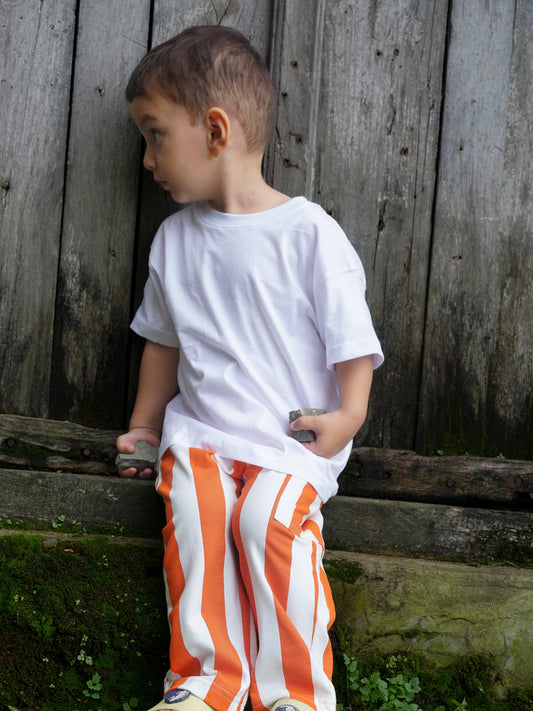
- Buy pre-shrunk cotton. Good manufacturers compact and pre-shrink fabric before cutting. Several of our products state this on their pages: our striped cotton pants, for example, are compacted, pre-shrunk and wash-tested in our own factory, with shrinkage under 5%.
Can you shrink cotton clothes on purpose? Yes: a hot wash followed by a hot tumble dry will usually shrink 100% cotton. It is unpredictable, though, and also fades colours and stiffens prints, so we do not recommend it for kids' clothes. If something is too big, it is usually better to let your child grow into it.
For more on how fabric weight and yarn affect this, see our guides to what GSM means in fabric and combed cotton.
Keeping whites white and colours bright
Whites
- Wash whites separately, every time. One new red sock is all it takes.
- Treat food and haldi stains as soon as possible, before they dry.
- Use oxygen (non-chlorine) bleach only if the label allows it. Chlorine bleach weakens cotton and can yellow it.
- Rinse thoroughly. Detergent residue plus hard water is a common reason whites turn grey.
White cotton is a favourite for festivals and school, and it washes well with care. Our white cotton kurta pajama set is made in tightly woven poplin, which stands up to repeated washing; its care label says machine wash on a gentle cycle and tumble dry on low. You can see the full range of cotton kurta pajama for kids here.

Colours
- Wash cold and inside out.
- Do not leave wet coloured clothes bundled together in a bucket or the drum.
- Dry in shade.
Why some colours fade and bleed more than others comes down to the dye and how it was fixed. We explain this from the factory side in fabric dyeing and colour fading in children's clothing.
Common stains on kids' clothes
Treat stains quickly and use cold water first: hot water can set protein stains like milk and egg.
| Stain | What to do | Avoid |
|---|---|---|
| Haldi (turmeric) and curry | Scrape off, rinse from the back with cold water, pre-treat with liquid detergent, wash, then dry in sunlight (whites) | Soap bars on fresh haldi, which can turn it red; hot water |
| Milk, egg, baby food, poo | Rinse in cold water, soak with detergent, then wash | Hot water, which sets protein stains |
| Ghee, oil, butter | Rub in a little dishwashing liquid, leave 10 minutes, wash in the warmest water the label allows | Drying before the stain is gone |
| Mud | Let it dry, brush off, then pre-treat and wash | Rubbing wet mud deeper into the fabric |
| Grass and fruit | Rinse cold, pre-treat with liquid detergent, wash | Ironing or tumble drying before the stain is out |
Always check a stain is fully gone before drying with heat or ironing, because heat fixes it. For the most common Indian stain, see our step-by-step guide to removing haldi stains from kids' clothes, including white school shirts.
Ironing and storing cotton clothes
- Iron while slightly damp on medium heat for woven cotton such as kurtas and shirts. For printed T-shirts and sweatshirts, use low heat and iron inside out so the print does not stick or crack.
- Knits rarely need ironing. Shaking them out and drying them flat is usually enough.
- Store clean and fully dry. Put away only completely dry clothes, in a dry, ventilated cupboard. Silica gel packets or a breathable cotton bag help in the monsoon.
- Fold knits, hang wovens. Hanging heavy knits like sweatshirts stretches the shoulders; folding keeps their shape.
- Before packing away for the season, wash everything first. Body oils and food traces left in the fabric can yellow or attract insects in storage.
How often should you wash kids' cotton clothes?
Children sweat, spill and sit on the floor, so their clothes usually need washing more often than adults'. A practical approach for Indian weather:
- After every wear: vests, innerwear, socks, and anything worn against the skin on a hot or sweaty day, including T-shirts and night suits in summer.
- After one or two wears: night suits in cool or AC weather, if not soiled.
- After a few wears: sweatshirts and jackets worn over a T-shirt, and bottoms that are not visibly dirty.
Airing clothes out between wears and washing only when needed, as Cotton Incorporated recommends, saves water and makes clothes last longer. Rotating three or four sets of everyday clothes also spreads the wear.
Keep the machine clean too. Leave the door or lid open after a wash so the drum dries, and run an empty hot cleaning cycle every month or so following your machine's manual. A musty-smelling machine passes the smell to clothes.
Why we make kids' clothes in cotton
Cotton absorbs sweat and lets air through, which is why it is the most comfortable everyday fabric for children in Indian heat and in AC rooms. Synthetic fabrics like polyester absorb far less moisture, so a warm child can feel clammy. If you want the full comparison, read is polyester safe for kids? Polyester vs cotton. The other side of cotton is that it needs the gentle care in this guide to stay soft and keep its shape.
A few cotton pieces from our range and how to wash them:
- Mid Lavender super soft cotton T-shirt: biowashed single jersey cotton. Wash cold with like colours.
- Whispering Pines sweatshirt and jogger set: 100% cotton in Red Label 30s super combed yarn, biowashed. Machine wash cold on a gentle cycle, no bleach, iron low inside out. More in our sweatshirt sets for kids.
- Hippo Cuddle night suit: interlock cotton that dries quickly. Cold wash with mild detergent, line dry or tumble dry low. See all cotton night suits for kids.
Frequently asked questions
How do you wash pure cotton clothes?
Turn them inside out, wash with similar colours in cold or lukewarm water on a gentle or normal cycle with a measured amount of mild detergent, rinse well, and line dry in the shade or tumble dry on low. Avoid bleach on coloured cotton and hot water unless the label allows it.
Can cotton clothes be washed in a washing machine?
Yes. Almost all everyday cotton, including kids' T-shirts, co-ord sets, night suits and sweatshirts, is machine washable. Use the cotton or daily programme at cold or 30°C, do not overload the drum, and use a mesh bag for small items. Hand wash only pieces with embroidery, mirror work or a "hand wash" symbol.
How do I wash new cotton clothes for the first time?
Wash new clothes before your child wears them. Wash dark and bright pieces separately or with similar colours in cold water, inside out, and check whether the water is tinted. If it is, keep washing that piece separately for a few more washes.
Does 100% cotton shrink in the wash?
Untreated cotton can shrink, mostly in the first few washes and mostly from hot water and hot dryers. Pre-shrunk cotton washed cold and dried on low heat or on a line should keep its size. Check the product page or label for "pre-shrunk".
How do you keep cotton clothes looking new?
Wash cold and inside out, use less detergent rather than more, skip bleach and heavy softener, dry in shade, fold knits instead of hanging them, and wash only when clothes need it.
What water temperature is best for cotton?
Cold or up to 30°C for coloured cotton. Warm water (40°C) can help with heavily soiled whites if the label allows it. The number in the tub symbol on the label is the maximum.
Is sunlight bad for cotton clothes?
Strong direct sun fades dyed cotton and weakens fibres over time, so dry coloured clothes in the shade or inside out. Sunlight is helpful for whites and for fading leftover turmeric stains.
How do I wash cotton pants and trousers?
The same way: inside out, cold water, gentle cycle, like colours. Close zips and buttons first, and dry them hanging by the waistband so the legs hang straight.
How do I wash velvet clothes?
Velvet is not cotton jersey and needs different care. Follow the label: many velvet garments are dry clean only. If the label allows washing, hand wash inside out in cold water with mild detergent, do not wring or rub, and dry flat. Do not iron velvet directly on the pile.
Should baby clothes be washed separately?
It is common advice but not essential. HealthyChildren.org notes that many parents wash baby clothes with the family's laundry. If your baby has sensitive skin, a separate wash with a mild, fragrance-free detergent and an extra rinse is a simple precaution.
More care and fabric guides from Gozi
- How to remove haldi stains from kids' clothes
- Fabric dyeing and colour fading, explained by a manufacturer
- What is GSM in fabric?
- What is French terry fabric?
- What fabric is safe for children's sleepwear?
Written by the Gozi team. We design and make cotton clothing for children aged 1 to 8 in our own unit in Tiruppur, Tamil Nadu.
Tags:
Previous
Loose vs. Fitted Clothes: What’s Best for Kids in Summer?
Next
How to Keep Kids Hydrated in Summer: Fun Recipes & Tips for Indian Moms